Off-the-Beaten-Track - Autumn in Rural Wales
Looking for an off-the-beaten-track holiday in the Brecon Beacons? As autumn washes Bannau Brycheiniog in gold, copper and crimson, Henbont Holidays offers a peaceful base for exploring rural Wales. Crisp mountain walks, cosy cabin stays and wide-open views come with something more: a glimpse of the farming traditions that have shaped this corner of Carmarthenshire for generations.
For farming families around Llandeusant, Carmarthenshire, October was once among the busiest months of the year. Long before modern machinery and supermarkets, autumn meant harvesting, preparing and working together. Today, visitors staying near the Black Mountain can still discover traces of this heritage in the fields, lanes and villages surrounding Henbont.
Autumn Walks and Colours in the Brecon Beacons
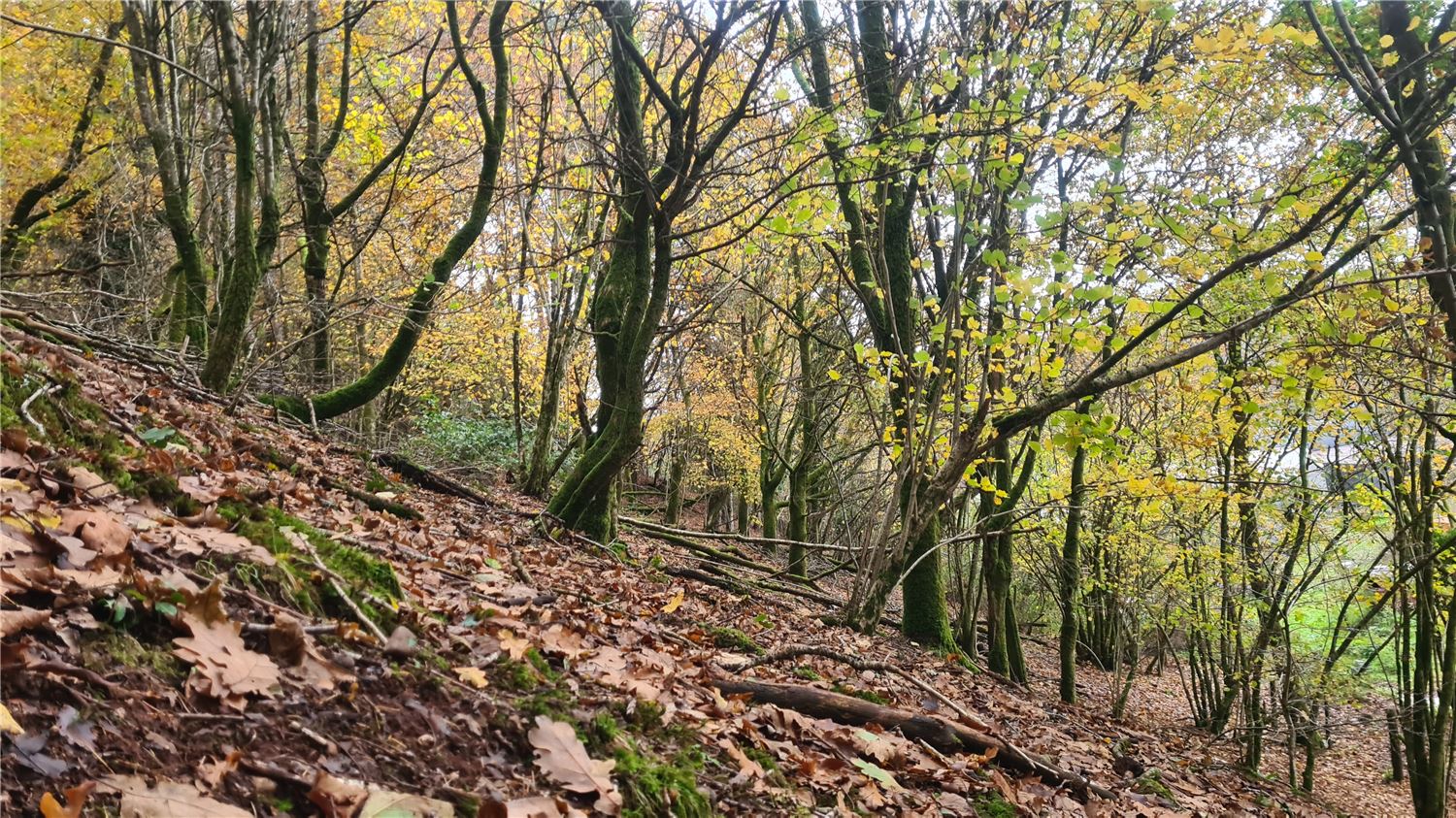
Around Henbont, ancient hedgerows glow with berries, woodland paths soften beneath fallen leaves, and the rugged peaks of the Black Mountain open onto sweeping views across the Welsh countryside.
Visitors now come to enjoy this quiet beauty. For earlier generations, however, the changing colours signalled a season of urgent work.
Sheep Gathering on the Black Mountain
One of autumn’s most important jobs was the annual sheep gather. Through summer, flocks grazed freely on the open mountain commons around Llandeusant and the Black Mountain.
As colder weather approached, farmers and their sheepdogs spent long days bringing the flocks down from the hills. It took skill, deep knowledge of the terrain and close cooperation between neighbouring farms. Once gathered, the sheep were sorted, marked and prepared for sale or breeding. Our sheep are now back on the farm and can be seen grazing in the fields surrounding the cabin.
Traditional Ram Sales and Autumn Markets in Carmarthenshire
October was also the season for choosing breeding stock. At local livestock markets and ram sales, farmers carefully selected animals that would help strengthen their flocks. The ram sale is an important date in our farming calendar.
Market days were about far more than business. Neighbours swapped farming news, weighed up the weather and caught up with friends and relatives from across Carmarthenshire and the Brecon Beacons.
Lifting Potatoes and Root Crops
Before modern storage and year-round shopping, farm households depended heavily on what they could grow and preserve themselves.
Potatoes were lifted and stored in clamps or sheds, safely protected from frost. Swedes, turnips, carrots and parsnips were harvested for family meals and winter livestock feed.
Many farms also grew other fodder crops to sustain cattle through the colder months.
Orchards and Hedgerow Harvests
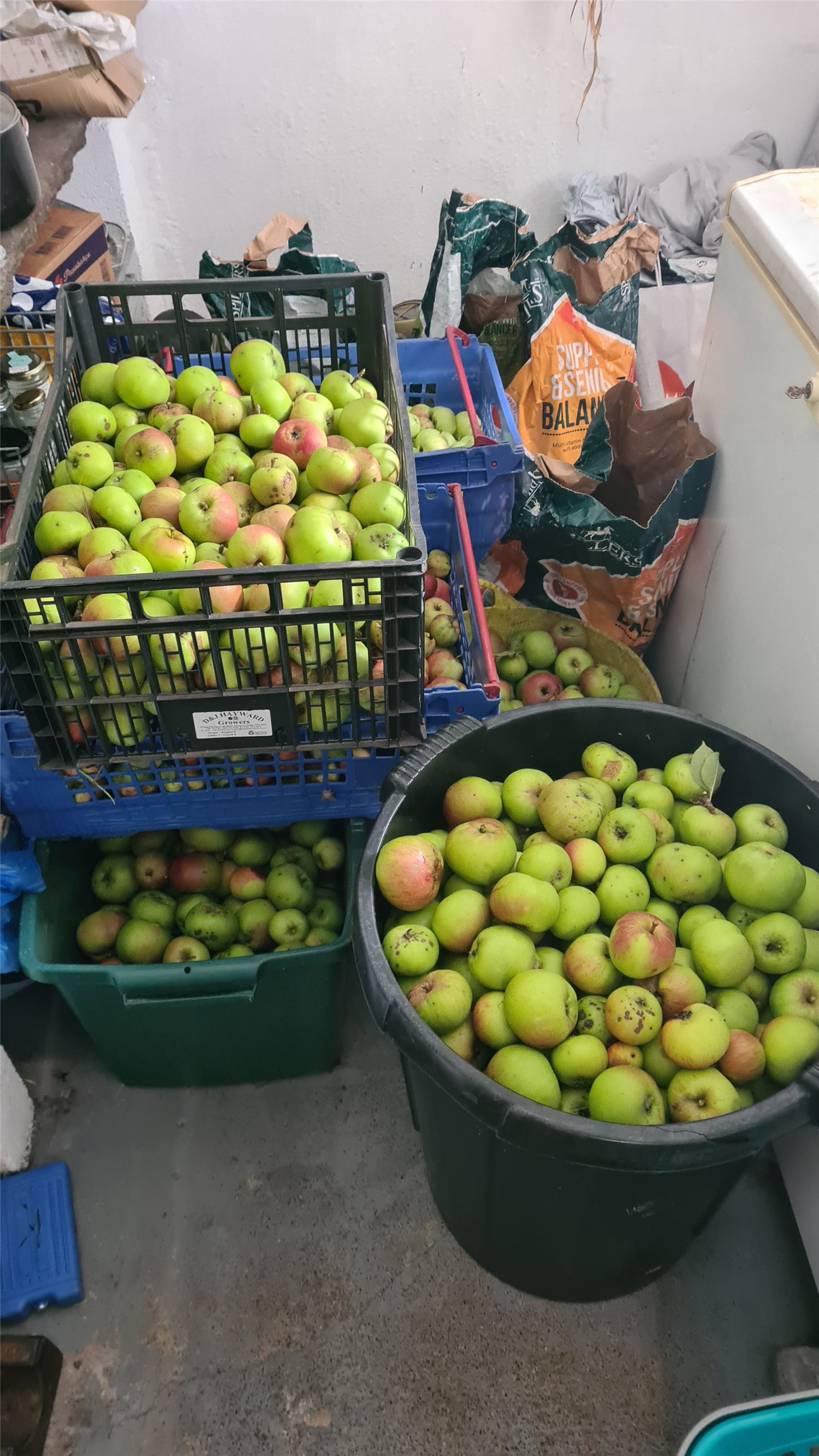
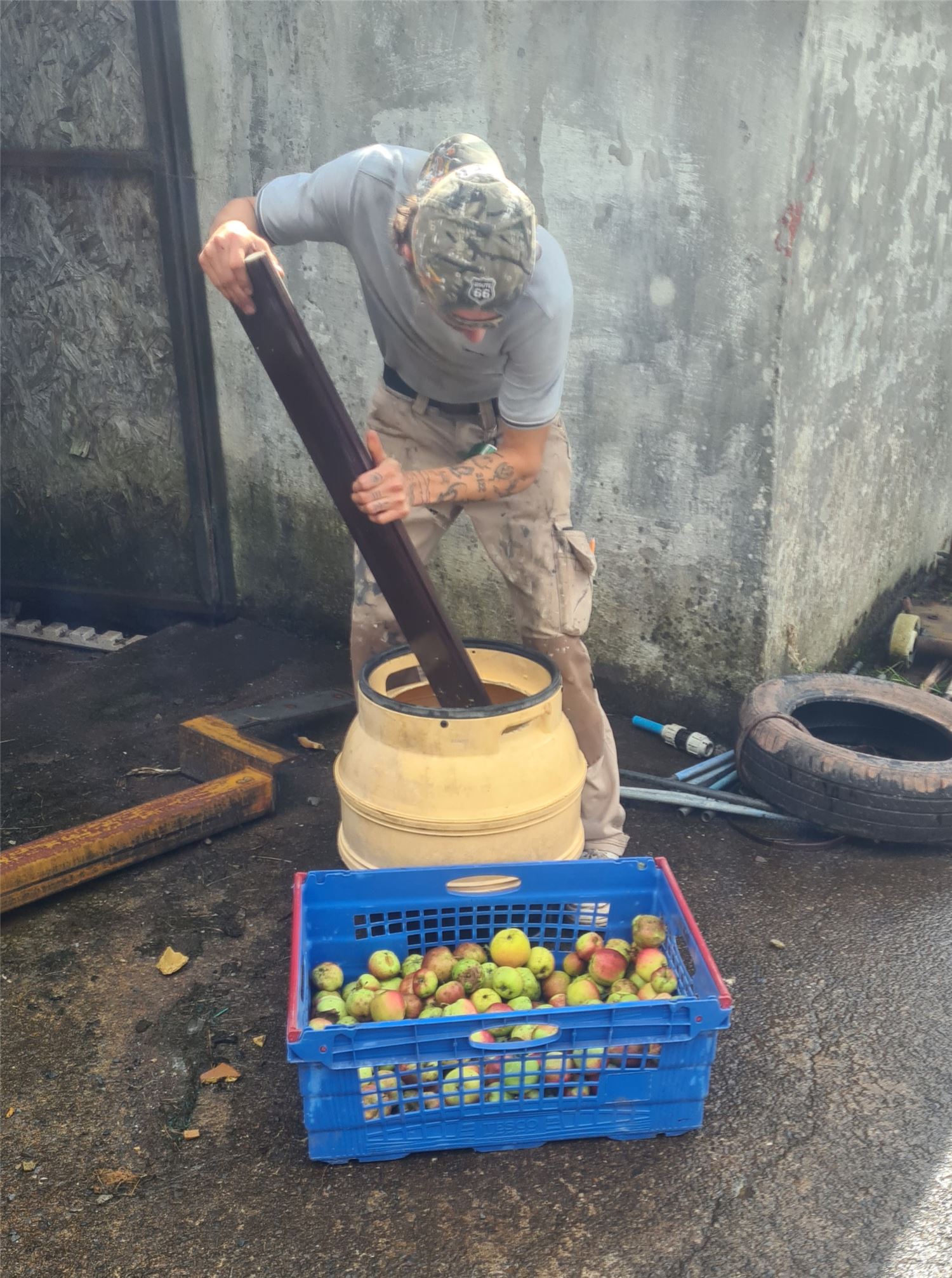
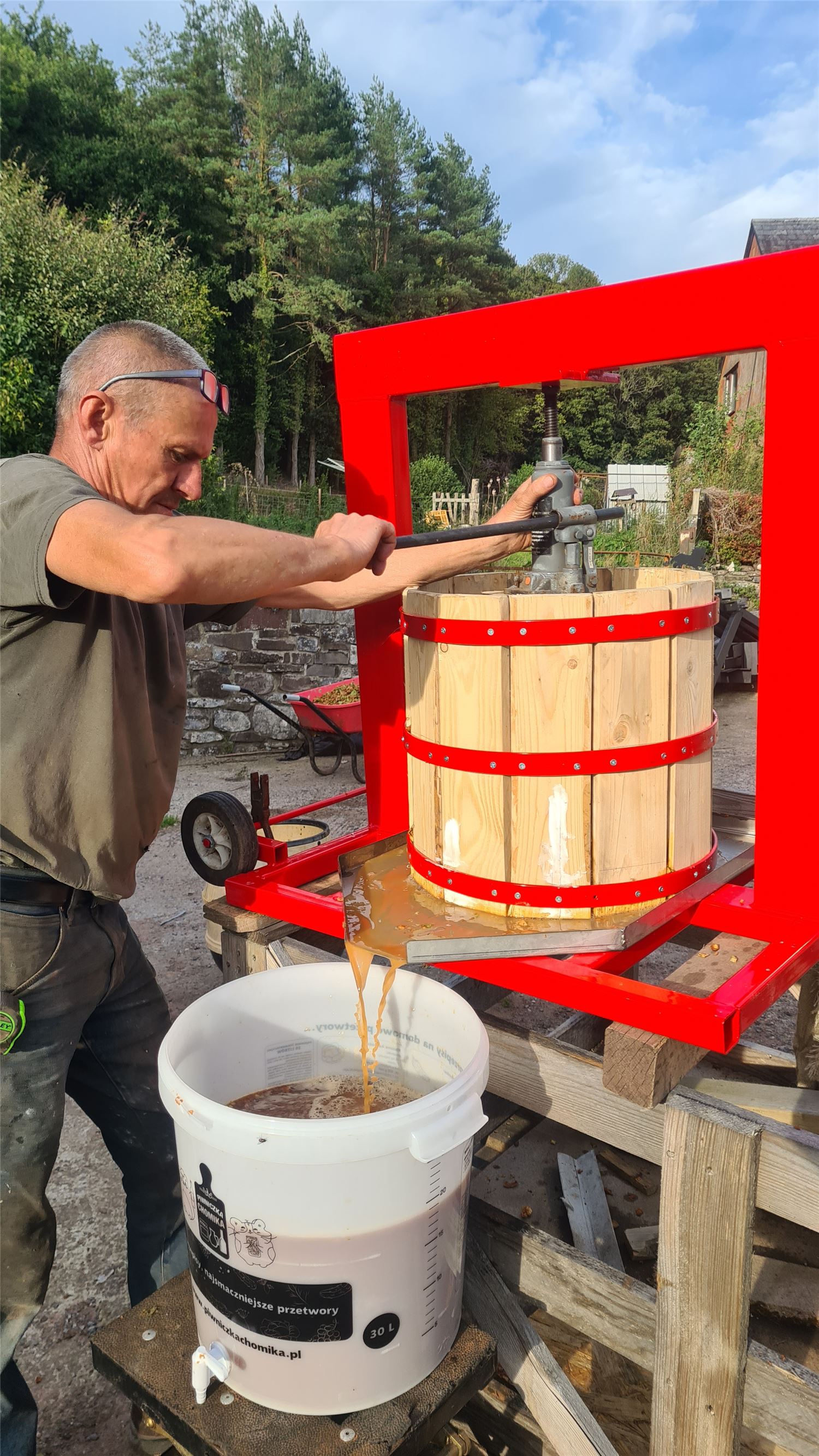
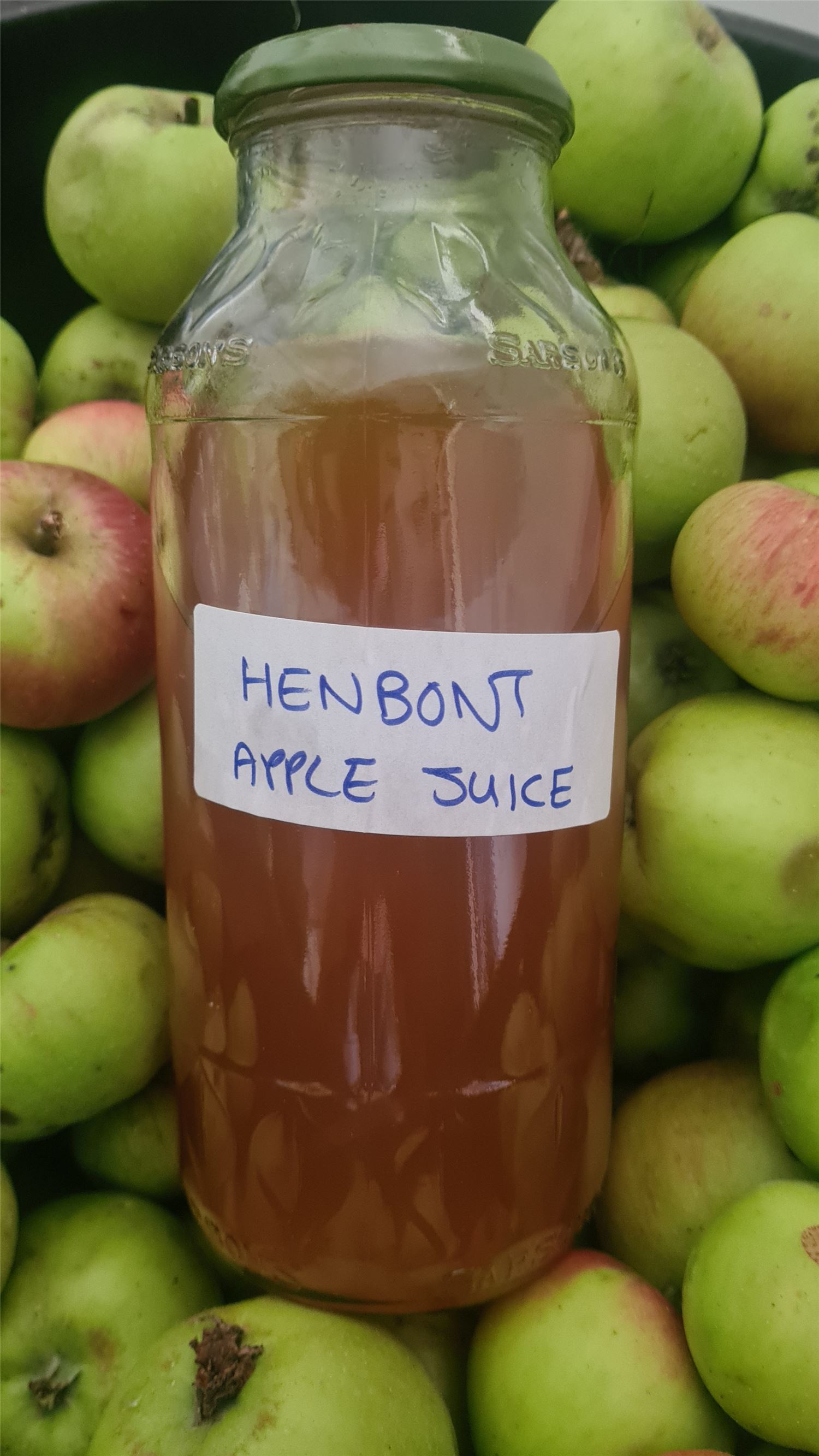
Autumn brought fruit-picking in orchards and gardens. Apples and pears were stored for winter or turned into chutneys, preserves and cider. At Henbont, we still make the most of nature’s bounty by pressing apples for fresh juice and cider, and by making seasonal jams, chutneys and syrups.
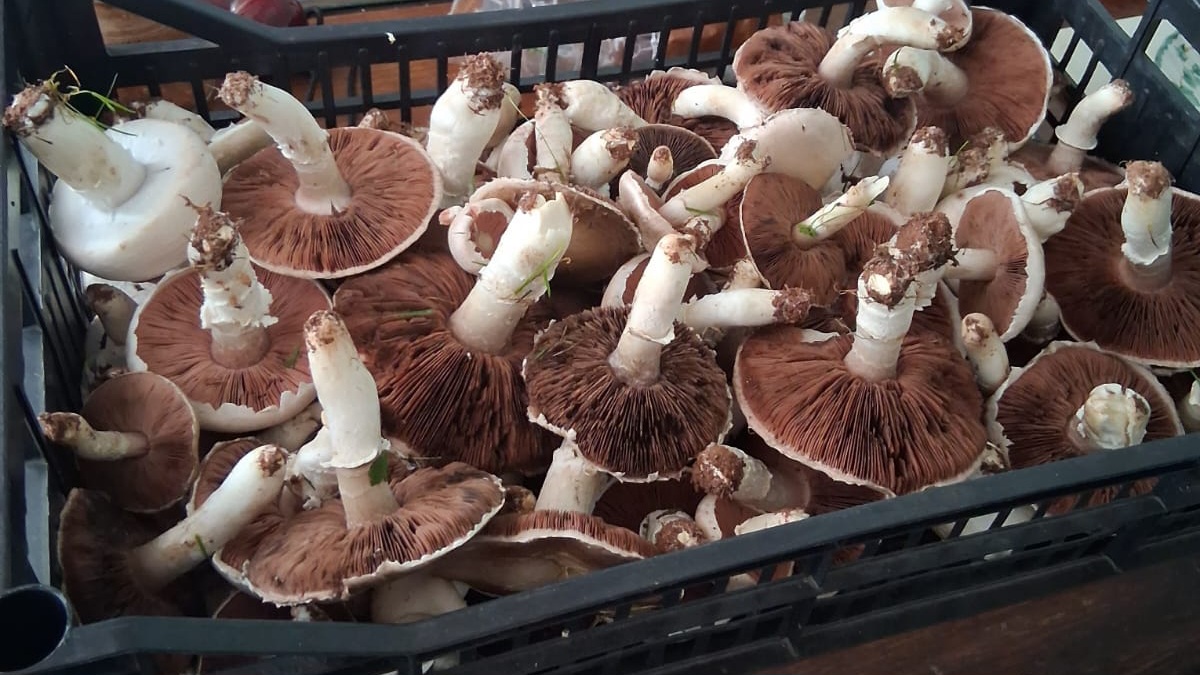
Children once gathered blackberries, sloes, crab apples and rosehips from the hedgerows, adding flavour and valuable vitamins to winter stores. That spirit continues at Henbont as we gather and salt hazelnuts, forage responsibly for wild ingredients, and dry mushrooms so they can be enjoyed throughout the year.
Preparing the Family Pig
On many traditional farms, autumn was also the time to prepare the family pig for the winter table. This was a significant moment in the farming calendar. Bacon, ham, sausages and salted pork were carefully prepared and preserved, with families working together to make use of every part of the animal. Although the practice has largely disappeared, it was once central to rural life across Carmarthenshire.
Dilys, a former resident of Henbont, remembers helping her mother and sister salt the meat on the slate worktop in the llaethdy when she was a young girl. Sometimes heard or written phonetically as “llythty”, llaethdy literally means “milk house” or dairy in Welsh. In traditional Welsh farmhouses, it was a cool room or small adjoining stone building used for storing milk and making butter and cheese. Often positioned on the cooler, north-facing side of the farmhouse, its thick stone walls also made it a practical place for preparing and preserving food before refrigeration. Today, the llaethdy at Henbont continues to serve as a pantry, storing preserves, potatoes and apples, as well as drying herbs and cured meats.
Firewood, Fences and Winter Readiness
As the daylight faded earlier, attention turned firmly towards winter.
Farmers repaired dry-stone walls, fixed gates and strengthened fences. Firewood was cut and stacked, barns were cleared, and shelter was made ready for the animals.
Every job had the same purpose: to protect livestock, buildings and families when the harsh weather arrived.
Traditional Autumn Fairs in Rural Carmarthenshire
Autumn fairs were highlights and an important part of the rural calendar. Alongside livestock trading came the hiring of seasonal labour, as farmers and workers arranged employment for the months ahead. Food, crafts and entertainment also made these fairs welcome opportunities for scattered communities to gather.
For many young people, these lively occasions were a rare chance to socialise beyond their own village and were eagerly anticipated each year.
Traditionally, a fair was held in Llandeusant village on 10 October. Historical gazetteers record the date, but surviving details of the fair itself are few and far between. Even so, its place in the calendar offers a fascinating glimpse of the village’s former role as a seasonal meeting point for the surrounding rural community.
Calan Gaeaf: An Ancient Welsh Autumn Tradition
As October draws to a close, Wales marks Calan Gaeaf - the traditional first day of winter. The evening before, known as Nos Galan Gaeaf, was associated with seasonal gatherings, fires, storytelling and folklore as rural communities prepared for the darkest part of the year.
In the quiet countryside around Henbont, the tradition adds another layer to an autumn escape. Mist over the Black Mountain, early nightfall and the glow of a cosy cabin evoke a distinctly Welsh sense of season - perfect for travellers seeking folklore, local heritage and an atmospheric Calan Gaeaf break in Carmarthenshire.
Plan an Autumn Cabin Holiday at Henbont Holidays
Today, a stay at Henbont Holidays offers a quieter way into this timeless landscape. Set near Llandeusant and the Black Mountain, it is an ideal base for an autumn break in the Brecon Beacons, with peaceful countryside, memorable walking routes and rich Welsh farming heritage close at hand.
Walk a lesser-known trail in Bannau Brycheiniog, explore the story of Llandeusant, or settle into a luxury cabin surrounded by nature. With fewer crowds, glowing hillsides and a genuine sense of place, autumn is one of the most rewarding times to enjoy a romantic rural retreat or peaceful Welsh countryside getaway.
Why Visit Henbont Holidays in Autumn?
Choose Henbont for quiet Brecon Beacons accommodation, direct access to the landscapes of the Black Mountain, dark skies, colourful autumn scenery and an authentic base in rural Carmarthenshire. It suits families, couples seeking a romantic escape, and nature lovers looking for a slower stay away from busy tourist routes.
Book your autumn cabin break at Henbont Holidays and discover the quieter side of the Brecon Beacons, Carmarthenshire and rural Wales.