Off the Beaten Track: Herbert’s Quarry, Black Mountain
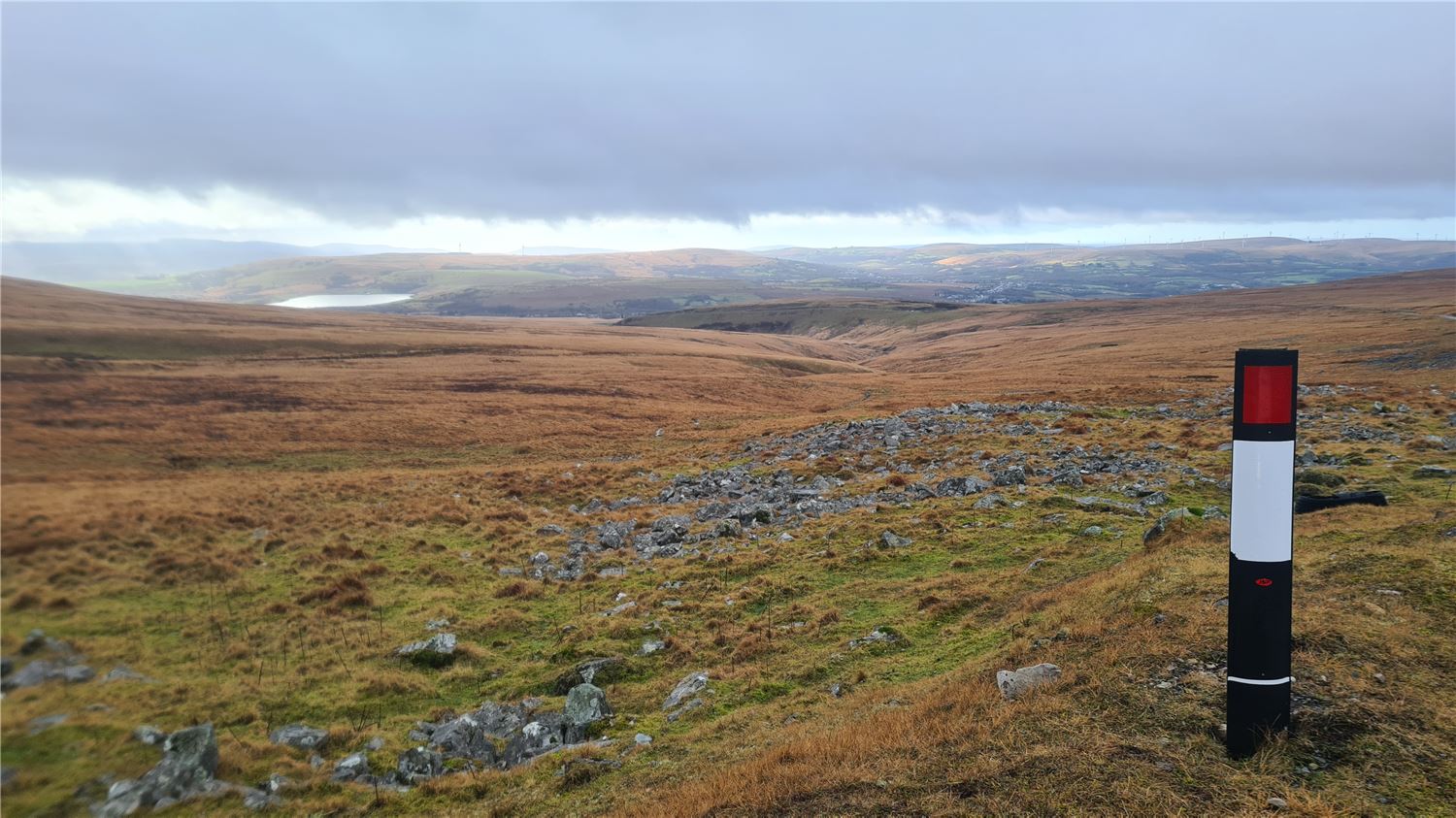
Tucked beneath the sweeping slopes of the Black Mountain, within the internationally recognised Fforest Fawr Geopark, Herbert’s Quarry is one of Carmarthenshire’s most atmospheric historic sites. For guests staying at Coed Yr Henbont Cabin, it makes a fascinating off-the-beaten-track outing, combining ancient geology, industrial heritage, Welsh history and unforgettable mountain views.
When the Black Mountain Lay Beneath the Sea
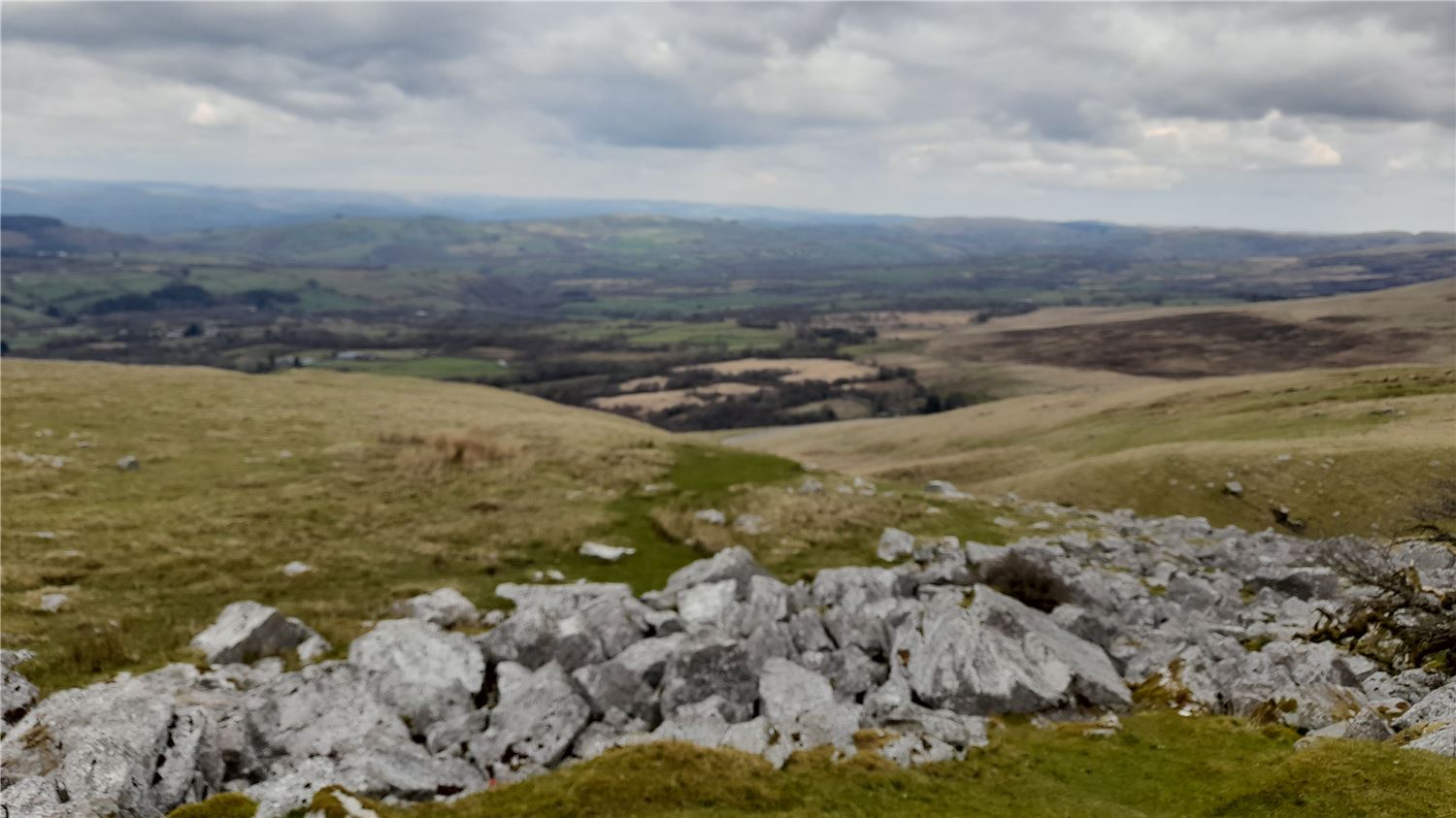
The rugged landscape we see today could not be more different from its origins. Around 350 million years ago, the area that is now the Black Mountain lay beneath a warm, shallow tropical sea. Layers of shells, coral and marine organisms gradually accumulated on the seabed, eventually forming the limestone that would become the foundation of the local lime industry.
The rocks exposed at Herbert’s Quarry are therefore the remains of an ancient ocean floor. It is a remarkable thought that visitors standing high above Carmarthenshire today are actually walking across rocks that were once submerged beneath tropical waters.
The Growth of Herbert’s Quarry
For generations, Herbert’s Quarry was one of the most important limestone workings in the region. The limestone was quarried and burned in imposing lime kilns, producing agricultural lime used to improve farmland across West Wales.
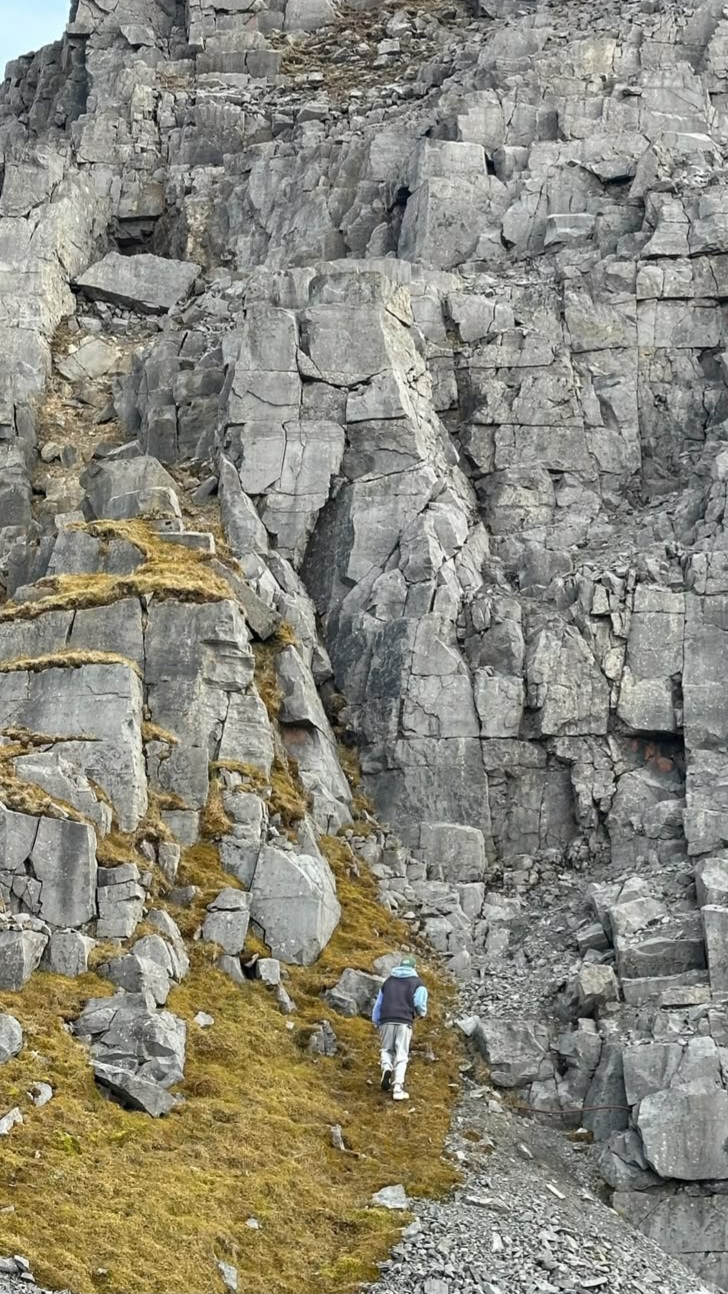
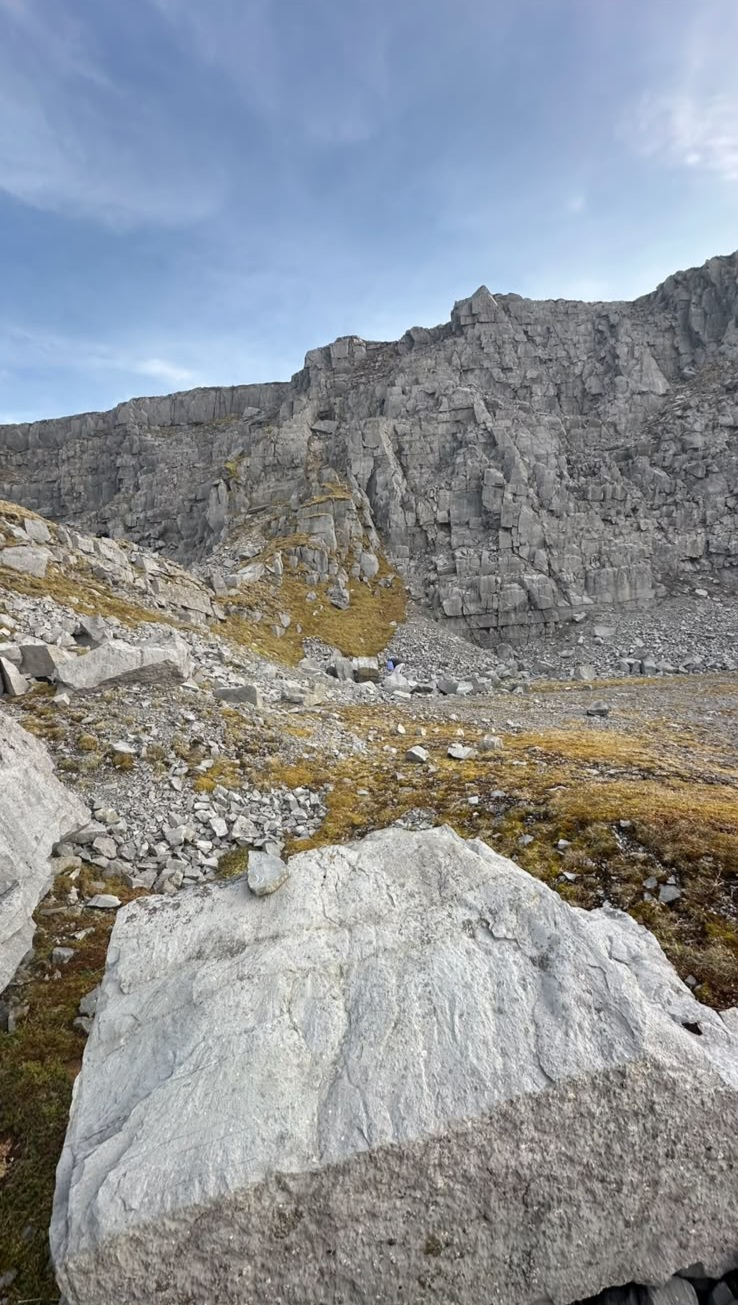
The remains of quarry faces, tramways, lime kilns and spoil heaps still dominate the site, providing a fascinating glimpse into an industry that transformed both the landscape and the local economy. Nature has now reclaimed much of the area, creating a unique blend of industrial heritage and wild mountain scenery.
David Davies and the Quarry Community
Beside the mountain road, visitors can still find the memorial to David Davies of Gwynfe, a poignant reminder of the dangers faced by those who worked around the lime industry. In 1884, David Davies was just 22 years old when he died while carting lime: his horse bolted, and he fell beneath the wheel of a cart laden with lime.
His story gives a human face to the quarry landscape. The kilns, tramways and quarry faces are impressive in their own right, but the memorial reminds us that this was also a place of hard labour, long journeys and real risk for local families and communities.
The Rebecca Riots and the Llangadog Toll Gate
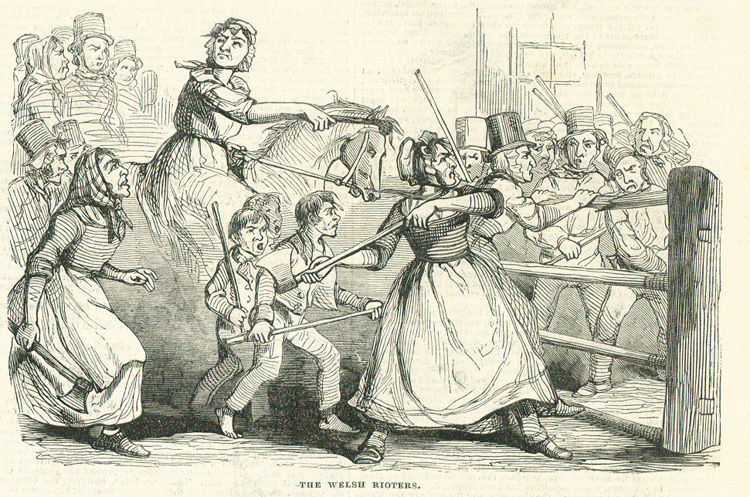
The story of Herbert’s Quarry is also connected to one of the most dramatic episodes in Welsh history: the Rebecca Riots of the 1840s.
At the time, toll gates charged for the movement of goods and livestock on local roads. These tolls were deeply unpopular among rural communities already struggling with economic hardship. The transport of lime from Herbert’s Quarry meant that toll charges directly affected those working in the industry.
One of the most famous local incidents occurred at the Three Horseshoes Toll Gate in Llangadog. Concerned that the gate might be attacked, additional guards were reportedly stationed there. Despite these precautions, Rebecca rioters overwhelmed the defenders and destroyed the toll gate, demonstrating the strength of local opposition to the toll system.
The event became part of local folklore and remains one of the most vivid examples of how communities across rural Wales challenged what they saw as unfair taxation and oppression.
Wildlife, Walking and Geology
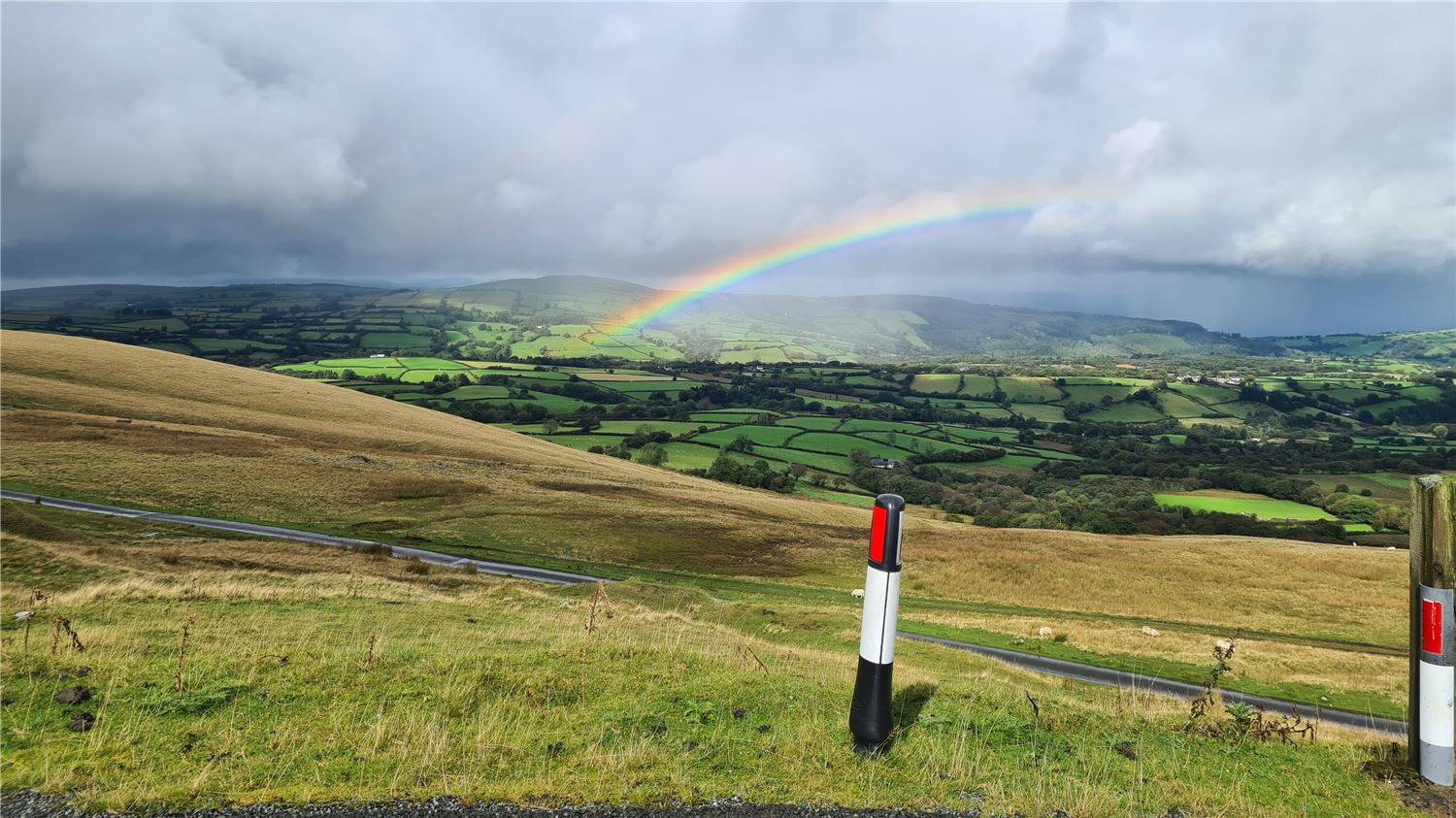
Today, Herbert’s Quarry is a peaceful place to explore. Wildflowers flourish among the old industrial workings, birds circle above the cliffs, and walkers can enjoy far-reaching views across Carmarthenshire, Powys and the Brecon Beacons.
As part of the Fforest Fawr Geopark, the site is internationally recognised for its geological importance. It offers a unique opportunity to see first-hand how millions of years of earth history shaped the landscape of Wales.
From Quarry Road to Top Gear Fame
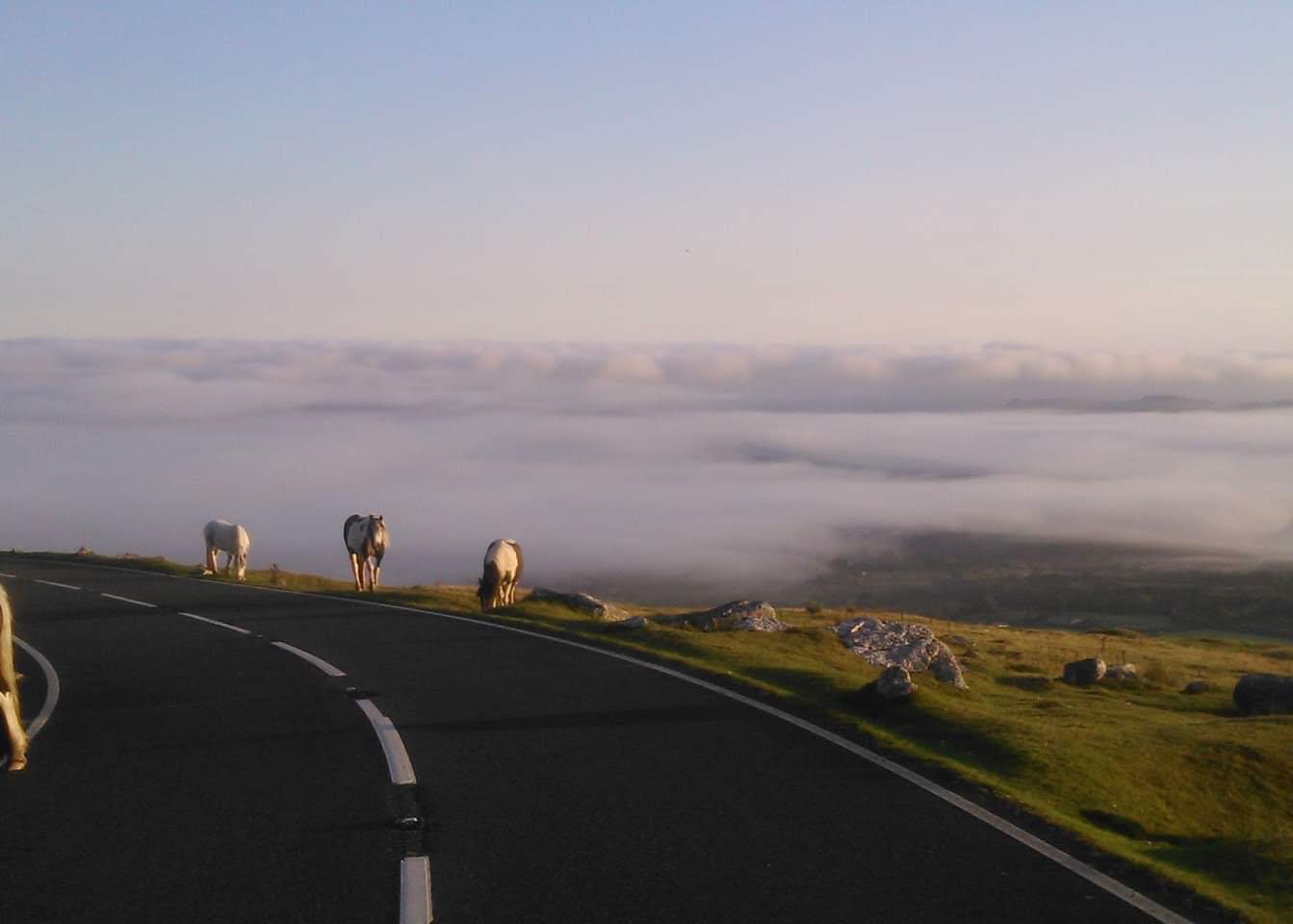
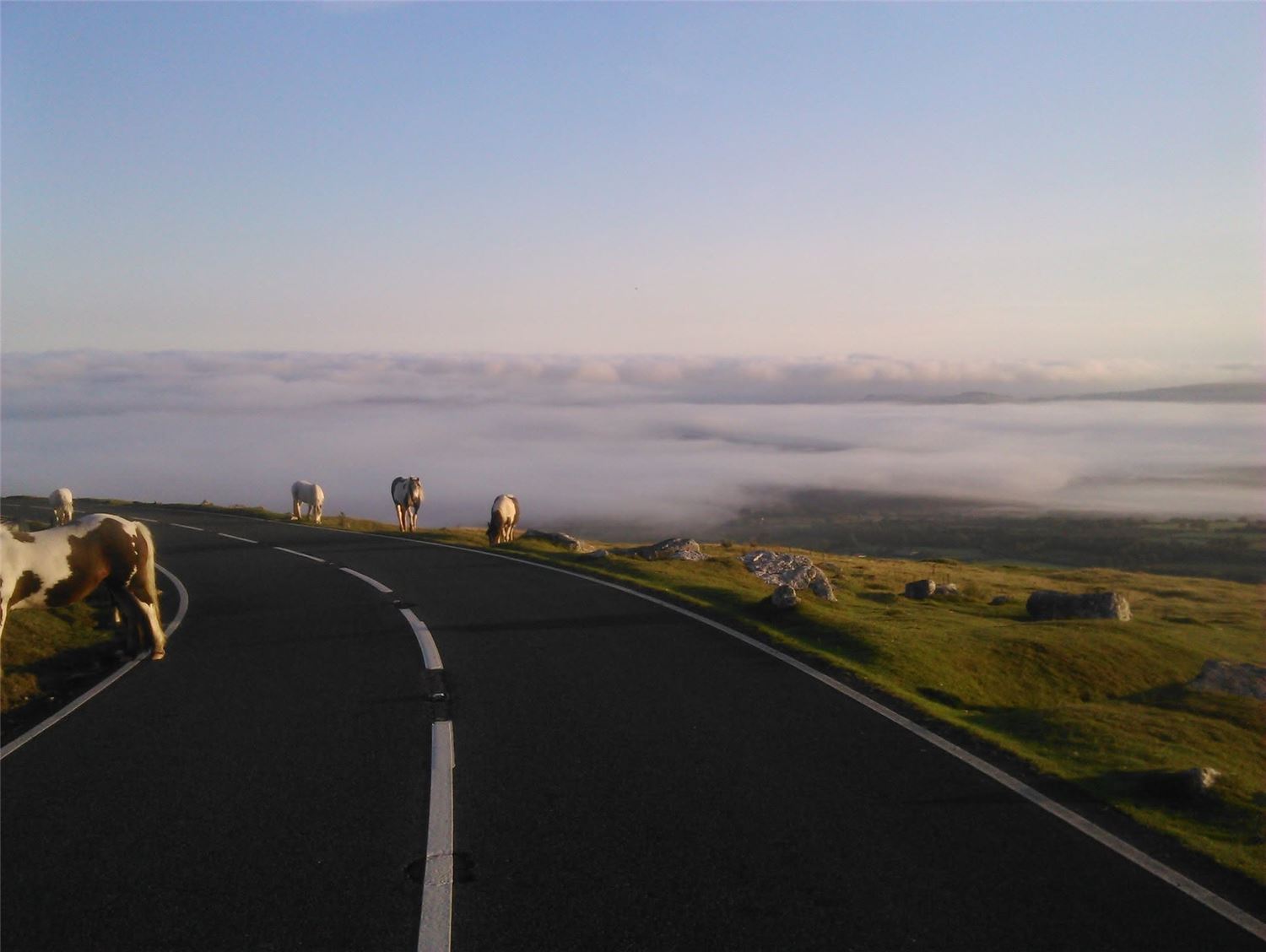
The roads that once carried limestone from the quarry have found a very different fame in the modern era. The route crossing the Black Mountain has been celebrated by motorists, cyclists and motorcyclists as one of Britain's greatest driving roads.
Its reputation grew even further after appearing on BBC's Top Gear, whose presenters praised the road's sweeping bends, dramatic climbs and breathtaking scenery. For many visitors, driving the Black Mountain road has become a pilgrimage every bit as memorable as exploring the quarry itself.
Plan Your Visit from Henbont Holidays
Herbert’s Quarry is far more than an abandoned industrial site. It is a place where ancient seas became mountains, where quarrymen carved a living from the rocks, where the Rebecca Riots left their mark on local history, and where one of Britain’s most memorable driving roads now winds through a landscape shaped by millions of years of change.
Whether you are interested in geology, industrial heritage, Welsh history, walking routes or simply spectacular scenery, Herbert’s Quarry offers a rewarding day out during your stay with Henbont Holidays. It is a wonderful reminder that some of Wales’s richest stories are found just off the main road, high on the Black Mountain.